
Top HVAC Tips for Homeowners This Winter
- balunekco
- Sep 7, 2025
- 5 min read
As winter approaches, homeowners often turn their attention to their heating systems. The cold months can be tough on your HVAC system, and ensuring it runs efficiently is crucial for comfort and energy savings. In this post, we will explore essential HVAC tips that will help you keep your home warm and cozy throughout the winter season.
1. Schedule a Professional Inspection
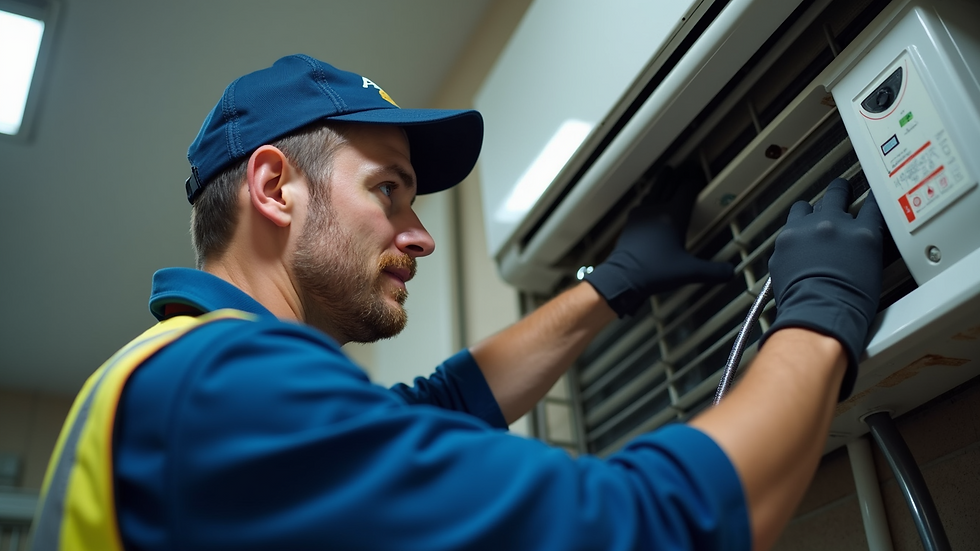
Before the cold weather sets in, it is wise to schedule a professional inspection of your HVAC system. A qualified technician can identify potential issues and perform necessary maintenance. This proactive step can prevent unexpected breakdowns when you need your heating system the most.
During the inspection, the technician will check various components, including:
Thermostat functionality
Ductwork for leaks
Filters for cleanliness
The heat exchanger for cracks
By addressing any problems early, you can ensure your system operates efficiently and safely.
2. Change Your Air Filters Regularly
One of the simplest yet most effective ways to maintain your HVAC system is to change the air filters regularly. Clogged filters can restrict airflow, making your system work harder and consume more energy. This can lead to higher utility bills and a shorter lifespan for your equipment.
As a general rule, you should check your filters every month and replace them every three months. However, if you have pets or allergies, you may need to change them more frequently. Clean filters improve indoor air quality and help your system run smoothly.
3. Seal Ducts and Insulate Your Home
Leaky ducts can significantly reduce the efficiency of your heating system. If warm air escapes through gaps in the ductwork, your system will have to work harder to maintain the desired temperature. Sealing ducts can improve efficiency and lower energy costs.
Additionally, proper insulation in your home is essential. Insulating your attic, walls, and floors can help retain heat and keep your home warm. Consider using weatherstripping around doors and windows to prevent drafts.
4. Use a Programmable Thermostat
Investing in a programmable thermostat can help you save energy and maintain a comfortable home. These devices allow you to set different temperatures for different times of the day. For example, you can lower the temperature while you are at work and raise it before you return home.
By using a programmable thermostat, you can reduce energy consumption without sacrificing comfort. Many modern thermostats also offer smartphone connectivity, allowing you to adjust settings remotely.
5. Keep Vents Clear
It is essential to keep your heating vents clear of furniture, curtains, and other obstructions. Blocked vents can restrict airflow, making it difficult for your system to heat your home evenly.
Take a moment to check each room and ensure that vents are unobstructed. This simple step can improve comfort and efficiency.
6. Consider Zoning Systems
If you have a larger home, a zoning system may be a worthwhile investment. Zoning allows you to control the temperature in different areas of your home independently. This means you can keep certain rooms warmer while others remain cooler, depending on your needs.
Zoning systems can be particularly beneficial for homes with multiple levels or rooms that receive varying amounts of sunlight. By optimizing heating in specific areas, you can enhance comfort and reduce energy costs.
7. Maintain Your Humidity Levels
Humidity plays a significant role in how warm your home feels. During winter, indoor air can become dry, leading to discomfort and health issues. Using a humidifier can help maintain optimal humidity levels, making your home feel warmer and more comfortable.
Aim for indoor humidity levels between 30% and 50%. This range can help prevent dry skin, respiratory issues, and static electricity.
8. Perform Regular Maintenance
Regular maintenance is key to keeping your HVAC system running efficiently. In addition to professional inspections, there are several tasks you can perform yourself:
Clean the outdoor unit of debris and leaves.
Check and clean the blower fan.
Inspect the condensate drain for clogs.
By staying on top of these tasks, you can extend the life of your system and avoid costly repairs.
9. Know When to Replace Your System
While regular maintenance can prolong the life of your HVAC system, there comes a time when replacement is necessary. If your system is over 15 years old, frequently breaks down, or requires costly repairs, it may be time to consider a new unit.
Investing in a new, energy-efficient system can save you money in the long run. Look for units with a high Seasonal Energy Efficiency Ratio (SEER) rating to ensure you are getting the best efficiency.
10. Educate Yourself on HVAC Basics
Understanding the basics of your HVAC system can empower you as a homeowner. Familiarize yourself with the components of your system, how they work, and what maintenance they require.
Knowledge can help you identify issues early and communicate effectively with your HVAC technician. This understanding can also help you make informed decisions about repairs and replacements.
11. Keep an Eye on Energy Bills
Monitoring your energy bills can provide valuable insights into your HVAC system's performance. If you notice a sudden spike in your heating costs, it may indicate an issue with your system.
Keep track of your monthly energy usage and compare it to previous years. If you see significant increases without a clear reason, consider scheduling an inspection to identify potential problems.
12. Utilize Ceiling Fans Wisely
Many homeowners overlook the benefits of ceiling fans during winter. By reversing the direction of your ceiling fan, you can circulate warm air that rises to the ceiling back down into the living space.
This simple adjustment can help distribute heat more evenly and reduce the workload on your heating system.
13. Be Mindful of Space Heaters
While space heaters can provide extra warmth in specific areas, they should be used with caution. Always follow safety guidelines and avoid using them while you sleep.
If you find yourself relying on space heaters frequently, it may be a sign that your HVAC system needs attention.
14. Stay Informed About Local Energy Programs
Many utility companies offer energy efficiency programs and rebates for homeowners. These programs can help you save money on upgrades, such as new HVAC systems or insulation.
Check with your local utility provider to see what programs are available in your area. Taking advantage of these resources can help you make your home more energy-efficient.
15. Prepare for Emergencies
Winter storms can lead to power outages and heating system failures. It is essential to be prepared for emergencies.
Keep a supply of blankets, flashlights, and non-perishable food on hand. Consider investing in a backup heating source, such as a generator, to ensure you stay warm during outages.
Wrapping Up Warmly
By following these HVAC tips, you can ensure your home remains warm and comfortable throughout the winter months. Regular maintenance, smart upgrades, and a little preparation can go a long way in keeping your heating system running efficiently.
Stay proactive, and your home will be a cozy retreat from the winter chill. Remember, a little effort now can lead to significant savings and comfort later.



Comments